Leading Florence Arborist Services Right Now
The Function of an Arborist: Expert Care for Your Trees and Landscape
Arborists are vital for the wellness and preservation of trees and landscapes. They possess the knowledge to examine tree conditions and offer necessary care. Their expertise extends to pruning, disease management, and pest control. Recognizing these aspects can considerably impact the visual appeal and health of outdoor spaces. However, many homeowners underestimate the importance of professional tree care. What are the specific benefits that an arborist can bring to your property?
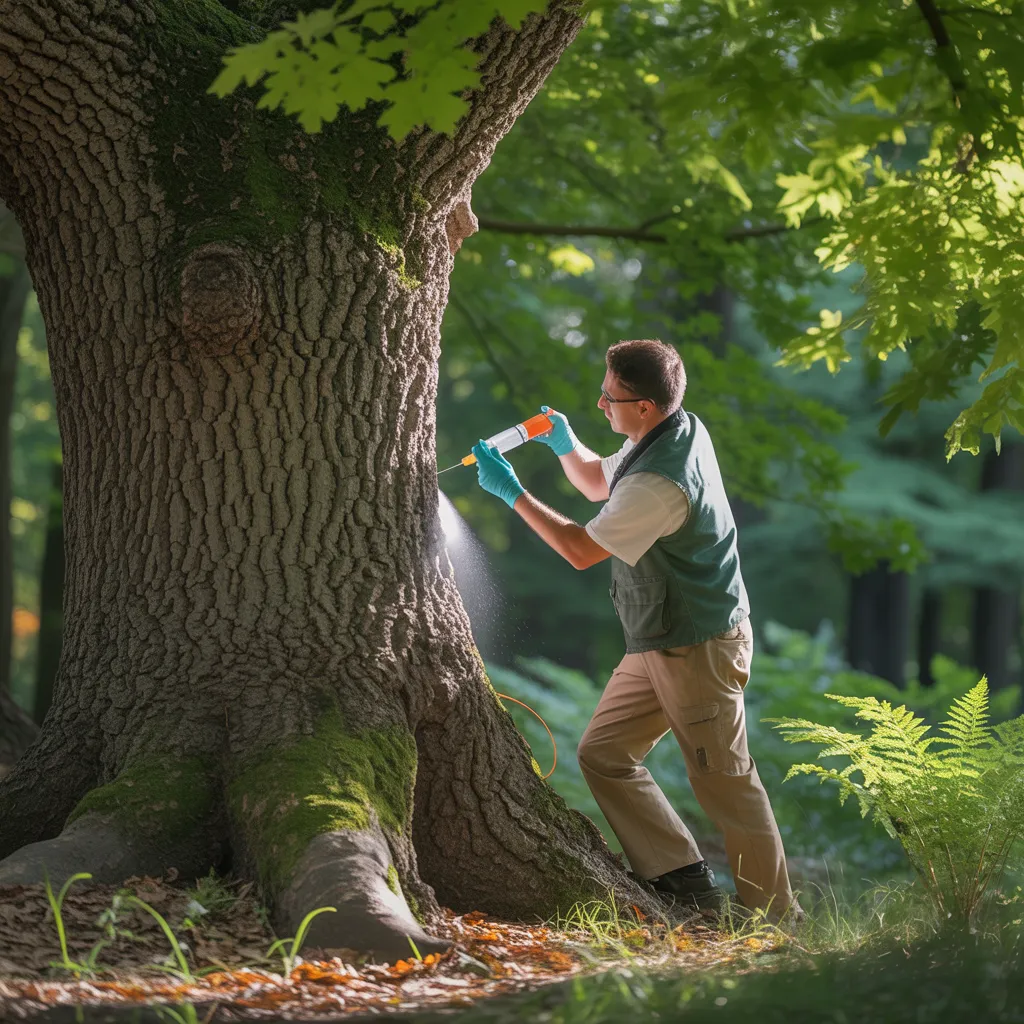
Is Your Tree Healthy? Why an Arborist Is Essential?
How does one evaluate whether their trees are healthy? Determining tree health entails looking for a number of key indicators. Thriving trees generally show robust foliage, a sturdy trunk, and a well-developed root system. Signs of distress may include yellowing leaves, untimely leaf drop, bark damage, or visible fungal growth. Additionally, checking the tree's structure for splits, dead branches, or leaning can uncover potential issues.
Consulting an arborist is advisable to guarantee accurate evaluation. Arborists offer expert knowledge and specialized tools to carry out detailed examinations. They possess the ability to recognize diseases or pest issues that may remain hidden from inexperienced observers. An arborist can further deliver advice on essential measures to support tree wellness and durability. Utilizing an arborist's services is vital for sustaining tree vitality, stopping progressive damage, and maintaining a safe environment for trees and the surrounding area.
Important Services for Tree Vitality and Maintenance
An array of essential services are fundamental for maintaining tree health and ensuring their longevity. Arborists deliver comprehensive tree care, including pruning, which stimulates healthy growth by removing dead or diseased branches. Fertilization is another important service, delivering trees with necessary nutrients to strengthen growth and resilience against pests and diseases.
Additionally, managing pests and diseases is essential; tree care specialists can detect and address infestations or infections before they damage the tree's health. Mulching is another service that conserves moisture, regulates soil temperature, and inhibits unwanted vegetation, cultivating a more favorable environment for trees.
Additionally, soil management guarantees trees receive proper drainage and aeration, stopping root complications. Last but not least, regular inspections are performed to monitor tree health and detect potential concerns early. Through these services, arborists play a essential role in sustaining healthy trees and promoting lush landscapes.
How to Assess Your Tree's Health?
What indicators reveal a tree's general health? To evaluate a tree's vitality, one must examine multiple important elements. Initially, leaf appearance is vital; vigorous trees show rich, verdant foliage, whereas discolored or drooping foliage might suggest trouble. The presence of infestations or ailments, including abnormal formations and holes in the bark, demands notice too. Additionally, the tree's architecture ought to be reviewed; an erect trunk and well-proportioned branches indicate sound health, as opposed to leaning or brittle branches. The earth encircling the tree matters also; effectively draining, nutritious soil encourages development, while compacted or dry soil may impede it. Lastly, a tree expert could jump in advise evaluating the roots, because strong roots secure the tree while absorb required nutrients. Regular monitoring of these signs will help confirm that a tree continues as a lively component of the environment.
Why Pruning Techniques Matter?
Tree pruning techniques are crucial for maintaining the health and vitality of trees. By encouraging healthy growth, these techniques not only elevate the aesthetic appeal of landscapes but also play a vital role in avoiding the spread of diseases. Understanding the importance of proper pruning can substantially impact the longevity and beauty of tree specimens.
Support Healthful Advancement
Proper pruning techniques are essential for promoting healthy growth in trees. By cutting away dead or diseased branches, arborists can stop the spread of pathogens that may threaten the tree's health. Pruning also stimulates the development of a strong structure, allowing the tree to better withstand wind and other environmental stresses. Moreover, strategic pruning can improve light penetration and airflow within the canopy, which is critical for photosynthesis and overall vigor. Proper techniques, such as thinning and crown reduction, aid in maintaining the tree's size and shape while promoting the growth of new, healthy shoots. Ultimately, these practices support the longevity and resilience of trees, guaranteeing they thrive in their landscape.
Improve Artistic Appeal
Although numerous people might disregard the role of pruning in improving the beauty of trees, professional arborists understand its significance in landscape aesthetics. Pruning techniques not only mold trees but also improve their overall appearance by removing dead or overgrown branches. This process aids in forming a balanced canopy, permitting sunlight to filter through and stimulating healthier foliage. Additionally, well-pruned trees can showcase architectural features of a property, creating harmony between the landscape and built environment. Seasonal pruning also confirms that trees keep their intended shape and size, preventing them from becoming wild and unsightly. In the end, effective pruning contributes to a visually appealing landscape, improving property value and creating attractive outdoor spaces for enjoyment and relaxation.
Avoid Illness Distribution
The preservation of tree health is intrinsically associated with effective pruning practices, as these methods serve a crucial function in preventing the spread of diseases. Arborists highlight the importance of removing dead or diseased branches, which can contain pathogens and pests. By applying proper pruning methods, such as making clean cuts and ensuring appropriate timing, arborists decrease stress on trees and decrease the likelihood of infection. In addition, maintaining adequate airflow and sunlight penetration through strategic pruning helps create an environment less favorable for fungal growth. Regular inspections and timely interventions by certified specialists not only support the longevity of trees but also protect the entire landscape from potential disease outbreaks, ultimately promoting overall ecosystem health.
Addressing Tree Pests and Diseases
Handling tree ailments and pests is critical for keeping healthy trees. Arborists specialize in identifying common diseases and implementing successful pest control techniques, combined with preventative maintenance measures. Understanding these aspects can tremendously improve the longevity and vitality of trees.
Recognizing Frequent Tree Ailments
What are the effective ways to identify prevalent tree diseases and protect tree health? Monitoring symptoms such as leaf discoloration, wilting, or unusual growth patterns is crucial. An arborist may assess the tree's bark for signs of cankers, fungal growth, or insect infestations. Additionally, the presence of premature leaf drop or a sudden decline in vigor can signal underlying issues. Soil health plays an essential role; testing for pH levels and nutrient deficiencies can provide valuable insights. Routine monitoring and documentation of changes in the tree's appearance can facilitate early detection. Seeking advice from a certified arborist delivers accurate diagnosis and appropriate management strategies, ultimately enhancing the vigor of the landscape and preventing widespread disease spread.
Effective Pest Control Strategies
Effective pest control methods are crucial in preserving trees from illnesses and pests that can compromise their health. Arborists employ an integrated pest management (IPM) strategy, combining biological, cultural, mechanical, and chemical techniques. Regular monitoring is vital, enabling arborists to detect pest populations early and determine tree health. Biological controls, such as introducing natural predators, can assist in managing pests without damaging the ecosystem. Cultural practices, like proper watering and fertilization, enhance trees' resilience against infestations. Mechanical strategies, including pruning and removing infected branches, decrease pest habitats. When required, targeted pesticide applications may be utilized, emphasizing environmentally friendly options. By implementing these strategies, arborists ensure the long-term health and vigor of trees within their landscapes.
Proactive Maintenance Methods
Although trees are robust, their health can be significantly enhanced through preventive maintenance practices that concentrate on managing diseases and pests. Periodic inspections by an arborist can recognize early signs of infestations or infections, allowing for timely interventions. Appropriate pruning techniques enhance air circulation and sunlight penetration, minimizing the likelihood of fungal diseases. Additionally, maintaining healthy soil through appropriate watering and mulching practices supports root systems, making trees less susceptible to stressors. Integrated pest management (IPM) strategies, which merge biological, cultural, and chemical controls, further preserve tree health. By applying these proactive measures, arborists help guarantee trees thrive in their environment, ultimately enhancing the overall landscape and decreasing long-term maintenance costs.
Selecting Trees With Guidance From an Arborist?
When choosing the right trees for a landscape, one might think about the benefits of consulting an arborist. An arborist contributes expertise in understanding tree species, growth patterns, and environmental compatibility. By analyzing the specific site conditions, such as soil type, sunlight, and climate, an arborist can recommend trees that grow well in those circumstances.
In addition, an arborist can help homeowners in identifying trees that complement their landscape design while considering elements such as size, shape, and seasonal interest. This individualized approach not only improves the aesthetic appeal but also promotes the health and longevity of the trees.
Furthermore, arborists can deliver guidance on likely pest concerns and maintenance necessities related to different species, facilitating informed decision-making. Finally, working with an arborist guarantees that tree selection suits both current wishes and long-term landscape aims, encouraging a flourishing and sustainable outdoor environment.
Long-Lasting Benefits of Professional Tree Maintenance
Putting money into professional tree care yields numerous long-term benefits that improve both the health of the trees and the overall landscape. Arborists hold specialized knowledge and skills that ensure trees receive correct pruning, pest management, and disease prevention. This expertise produces stronger, healthier trees that are highly resilient to natural stressors, such as drought and storms.
In addition, properly maintained trees improve better property value and curb appeal, establishing a more appealing atmosphere for occupants and guests. Healthy trees also deliver important benefits, including improved air quality, shade, and habitat for wildlife.
Moreover, consistent professional maintenance lessens the threat of tree-related hazards, such as falling branches or weakened structures, consequently securing safety for residents and property. Fundamentally, professional tree care is an investment that encourages a healthy landscape while securing the environment for future generations.
Common Questions
What Certifications Should I Look for When Hiring an Arborist?
When seeking an arborist, one should prioritize qualifications such as certification from reputable organizations, industry experience, expertise in tree species, sufficient insurance, and effective communication abilities to guarantee effective tree care and maintenance.
How Regularly Should I Arrange Tree Inspections?
Tree inspections ought to be arranged annually, but more regular inspections are recommended for mature or sick trees. Periodic assessments help pinpoint possible problems early, guaranteeing appropriate treatment and sustaining the trees' overall health.
Are Arborists Capable of Helping With Landscape Design?
Indeed, arborists can assist with landscape design by delivering expertise into tree placement, species selection, and overall health considerations, ensuring that the design is both aesthetically pleasing and ecologically sustainable for long-lasting growth and maintenance.
Are Emergency Tree Services Provided by Arborists?
Indeed, arborists offer emergency tree services, including storm damage assessment, hazardous tree removal, and immediate care for injured trees. Their professional knowledge ensures health and safety during unforeseen circumstances, securing both the landscape and adjacent properties.
What Are the Average Costs for Hiring an Arborist?
The average cost of hiring an arborist range from $50 to $150 per hour, based on the services required and the location. Factors such as tree size, complexity, and urgency also affect total pricing.